
Short answer: marijuana (THC) stays detectable the longest, from about 1 to 3 days after a single use to a month or more for heavy daily use. Most other drugs on a 10-panel urine test clear within 1 to 7 days.
| Drug | Typical detection window in urine |
|---|---|
| Marijuana (THC) | 1-3 days (single use) to 30+ days (heavy daily use) |
| Cocaine | 1-3 days |
| Amphetamines | 1-3 days (meth: 3-5 days) |
| Opiates | 1-3 days |
| PCP | 1-8 days |
| Barbiturates | 1-3 days |
| Benzodiazepines | 1-3 days (some longer) |
| Methadone | 1-7 days |
| Methaqualone | 1-14 days |
| Propoxyphene | Up to 2 days |
These are commonly cited estimates, not guarantees. The exact drugs on a “10-panel” test can vary a little from lab to lab.
Drug testing is a common practice in various settings, from employment to legal requirements. One critical aspect of drug testing is understanding how far back a 10-panel urine test can detect drug use. In this guide, we’ll explore the detection windows for different substances and the factors that can influence the results.
Understanding the 10-Panel Urine Test
A 10-panel urine test is a comprehensive screening tool that can detect the presence of ten different drugs or drug classes in a person’s urine. This test is widely used for various purposes, including pre-employment screening, probation, and compliance with Department of Transportation (DOT) regulations.
Marijuana (THC): 1 to 30+ Days
Marijuana is the drug that stays detectable the longest, and how long depends mostly on how often you use. Commonly cited estimates: a single use, about 1-3 days; occasional use (a few times a week), about 5-7 days; regular use, about 10-15 days; heavy daily use, 30 days or more in some people. Body fat, metabolism and how sensitive the test is also matter. For more, see how long THC stays in your system.
Cocaine: 1-3 Days
Cocaine use can be detected in urine for a relatively short period, typically between 1 to 3 days after use.
Amphetamines: 1-3 Days (Meth: 3-5 Days)
Amphetamines, including methamphetamine, have a detection window of 1 to 3 days. Methamphetamine, a more potent form of amphetamine, may be detectable for a slightly longer period, around 3 to 5 days.
Opiates: 1-3 Days
Opiates, such as heroin, morphine, and codeine, are generally detectable in urine for 1 to 3 days after use.
Phencyclidine (PCP): 1-8 Days
PCP, also known as angel dust, has a detection window of 1 to 8 days in urine.
Barbiturates: 1-3 Days
Barbiturates, which are central nervous system depressants, are typically detectable in urine for 1 to 3 days.
Benzodiazepines: 1-3 Days
Benzodiazepines, including drugs like Valium and Xanax, can be detected in urine for 1 to 3 days, although certain benzodiazepines may remain detectable for longer due to their metabolites.
Methadone: 1-7 Days
Methadone, often used in opioid addiction treatment, can be detected in urine for 1 to 7 days.
Methaqualone: 1-14 Days
Methaqualone, a sedative-hypnotic drug, has a detection window of about 1 to 14 days in urine.
Propoxyphene: Up to 2 Days
Propoxyphene, an opioid pain medication, may be detectable in urine for up to 2 days. It was pulled from the US market in 2010, so many labs now test for something else in its place.
Factors Affecting Detection
Several factors can influence the detection window of a 10-panel urine test. These include an individual’s metabolism, hydration level, frequency of drug use, and the sensitivity of the test itself.
Advanced Testing Methods
It’s important to note that newer and more advanced drug tests may have improved sensitivity, allowing them to detect drugs for longer periods. If you’re unsure about the type of test being used, consider discussing it with the testing facility.
What does a 12-panel urine drug test for?
A 12-panel urine drug test is a comprehensive screening tool used to detect the presence of various drugs and substances in an individual’s urine. It expands upon the substances tested in both 5-panel and 10-panel tests. A 12-panel test covers the same drugs as a 10-panel test plus two more. Which two varies by lab, but common additions include oxycodone, MDMA (ecstasy) and buprenorphine. The purpose of a 12-panel test is to provide a thorough assessment of an individual’s drug use history and potential abuse or misuse of a wider range of substances.
What does a 5-panel urine drug test for?
A 5-panel urine drug test is a commonly used drug screening tool that tests for the presence of five of the most commonly abused drugs or drug classes in an individual’s urine. These typically include marijuana (THC), cocaine, amphetamines (including methamphetamine), opiates (such as heroin, morphine, and codeine), and phencyclidine (PCP). A 5-panel test is often used for basic drug screening purposes, such as pre-employment testing and probation checks. It provides a quick assessment of an individual’s recent drug use history.
How long does it take to get a 10-panel drug test back?
The turnaround time for receiving the results of a 10-panel drug test can vary depending on several factors. Typically, for a standard laboratory-based 10-panel drug test, individuals can expect to receive their results within a few days to a week after the sample collection. However, factors like the testing facility’s workload, the specific type of analysis being performed, and whether confirmatory testing is needed can affect the timeline. Some on-site or instant tests may provide results within minutes, but if a positive result occurs, it may require confirmation through a more detailed laboratory analysis, which can extend the time frame.
What is the difference between a 5-panel and a 10-panel drug test?
The primary difference between a 5-panel and a 10-panel drug test is the number of drugs or drug classes they screen for. A 5-panel test screens for the presence of five commonly abused drugs, including marijuana, cocaine, amphetamines, opiates, and phencyclidine (PCP). In contrast, a 10-panel test expands the screening to include those five substances and adds five more: barbiturates, benzodiazepines, methadone, methaqualone, and propoxyphene. The choice between a 5-panel and a 10-panel test depends on the specific requirements of the testing situation, with the 10-panel test offering a broader assessment of drug use history, particularly when there are concerns about the misuse of prescription medications or a wider range of illicit drugs.
Try Detoxing to Pass a Drug Test
Green Gone Detox is a dietary supplement that is designed to help individuals pass a drug test by flushing THC metabolites out of the body. The product contains a blend of natural ingredients, including milk thistle, dandelion root, and cranberry extract, which are believed to support the body’s natural detoxification processes. By taking Green Gone Detox according to the recommended instructions, users may be able to reduce the concentration of THC metabolites in their system, potentially increasing their chances of passing a drug test.
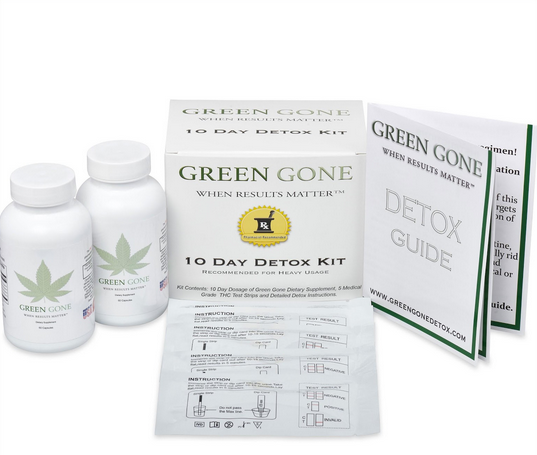
The effectiveness of Green Gone Detox can vary depending on individual factors such as the frequency and amount of cannabis use, as well as the specific drug test being used. However, many individuals have reported success with the product, particularly when used in conjunction with other methods such as staying hydrated and eating a healthy diet. Green Gone Detox may be particularly helpful for individuals who are facing an upcoming drug test and are concerned about the potential consequences of a positive result, such as loss of employment or legal issues.
In conclusion
The detection window of a 10-panel urine test varies depending on the drug being tested and individual factors. Understanding these timeframes is essential for accurate drug screening and compliance with various regulations. If you have questions or concerns about drug testing, don’t hesitate to seek professional advice for the most accurate and helpful guidance.
Facing a drug test? Start with our main guide: the best way to pass a drug test on short notice.
About the author: Erik Sinclair founded Stuff Stoners Like in 2007 and has covered cannabis culture, laws and drug testing ever since. A writer and content strategist with 25 years of marketing experience, he created the viral Periodic Table of Stuff Stoners Like and has been mentioned in outlets including the Wall Street Journal and the New York Times. More about Erik. Last updated November 2026. General information, not legal or medical advice.